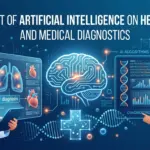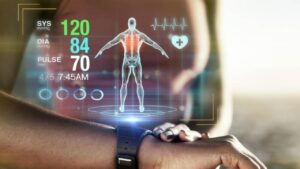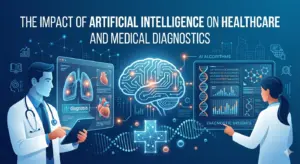


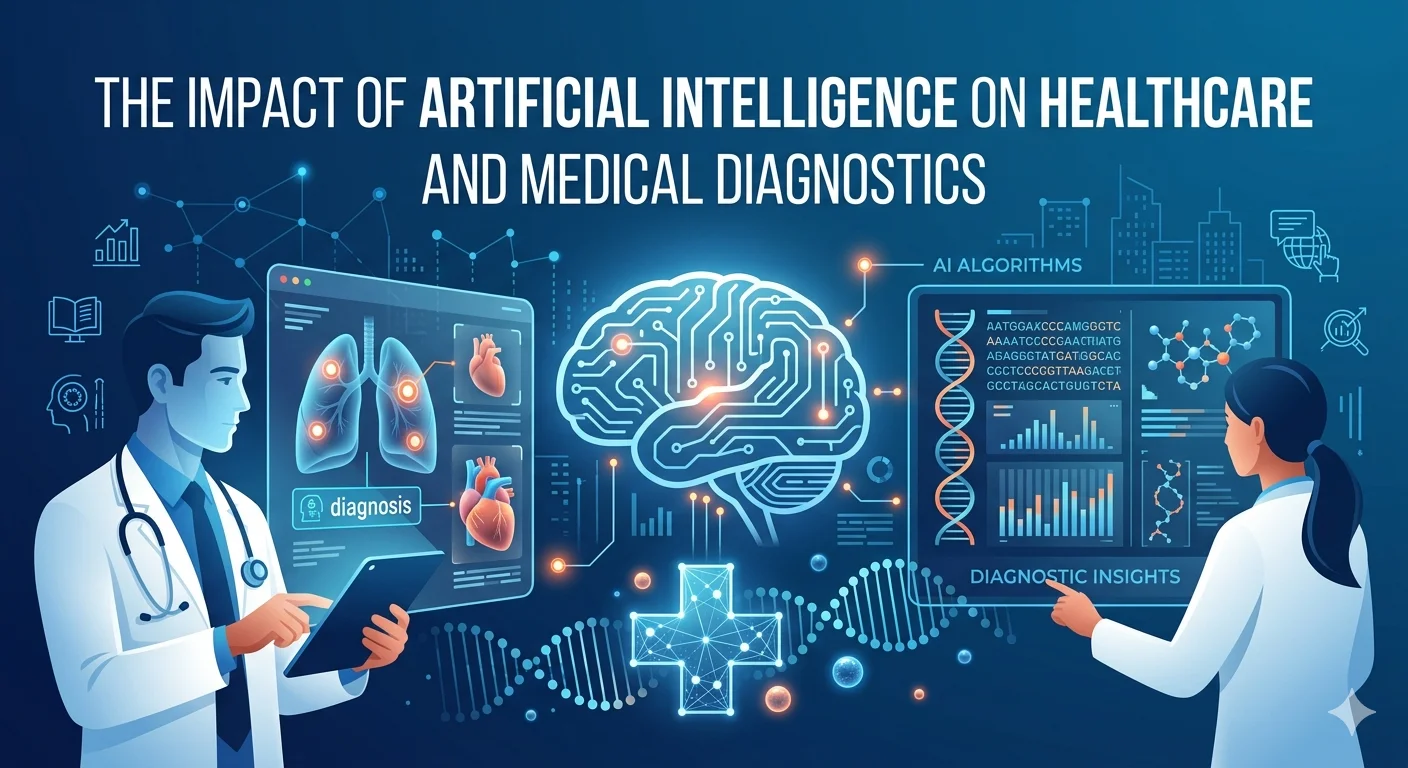
The era of “guessing” in the doctor’s office is rapidly coming to an end. In 2026, Artificial Intelligence (AI) has moved from a futuristic concept to a frontline tool in clinics worldwide.
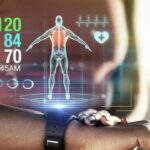
The Precision Revolution AI algorithms can now analyze thousands of medical images—from X-rays to MRIs—in seconds, identifying patterns invisible to the human eye. Studies show that AI-assisted diagnostics have reduced misdiagnosis rates by nearly 25% in oncology and cardiology. By cross-referencing a patient’s unique symptoms against millions of global medical records, AI acts as a “super-consultant,” ensuring that rare conditions are caught early.
Human-AI Collaboration It isn’t about replacing doctors; it’s about giving them a “second set of eyes.” These tools flag potential issues, allowing physicians to focus more on patient care and less on manual data entry.